The Challenge
Juan is the team leader of a logistics company's transport fleet in a large mining area of South America. The fleet is primarily responsible for transporting refined copper ore from the mining area to a port over 1,000 kilometers away, passing through the Andes Mountains, where the altitude exceeds 4,000 meters. The working conditions are extremely harsh, which requires high reliability from the transport vehicles.
The Solution: SHACMAN LNG Tractors
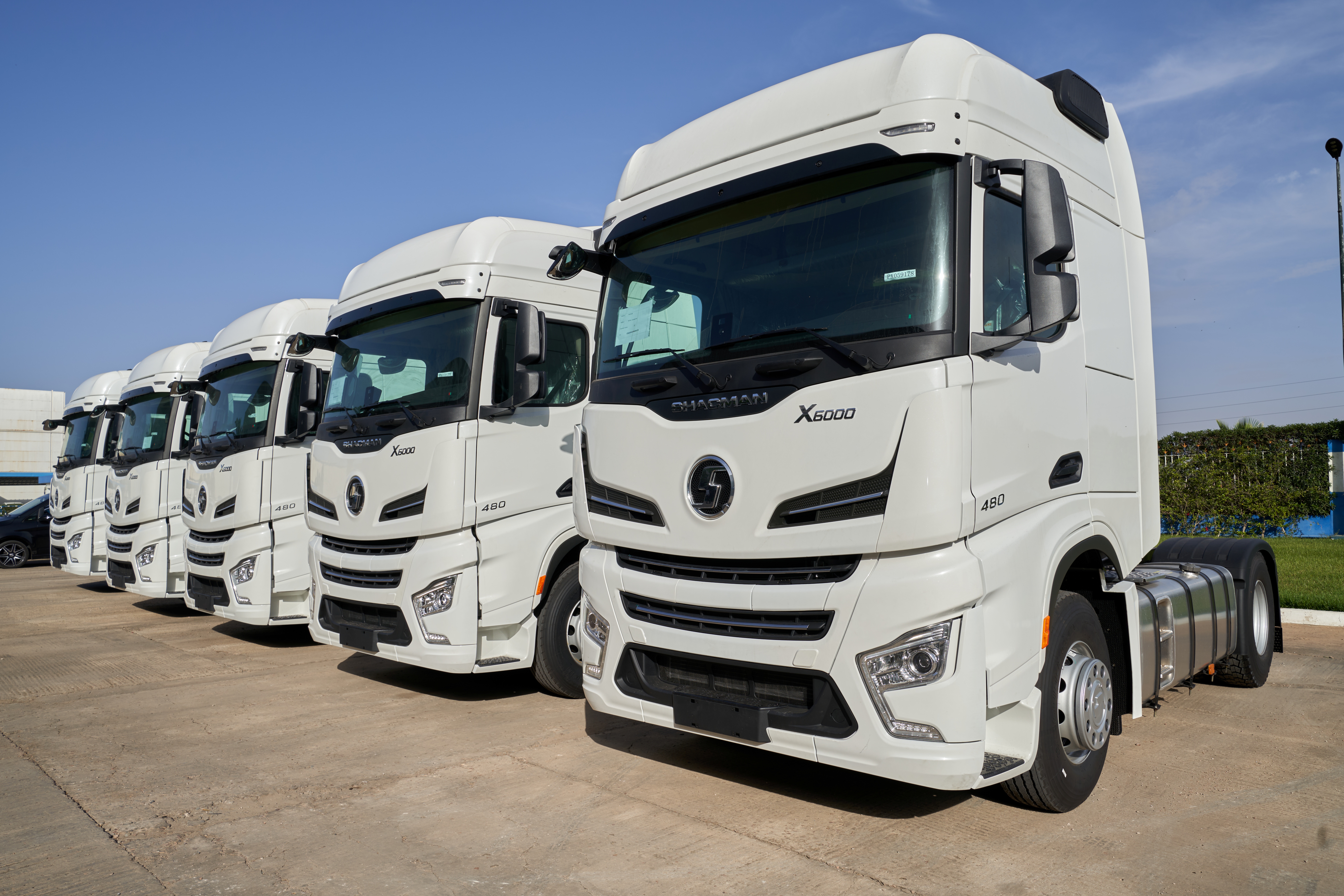
In 2023, as the local natural gas infrastructure gradually improved, logistics companies purchased a batch of SHACMAN LNG tractors to replace the diesel-powered European trucks in their transport fleet.
To ensure a satisfactory experience for the drivers, staff members from SHACMAN accompanied Juan on a field trip to conduct a follow-up on-site vehicle inspection and research.
Outstanding Performance at High Altitude
"You can drive over 1000 kilometers on a full tank without needing to refuel midway."
"Now, even climbing at high altitudes is no longer a struggle."
— Juan, after climbing a long slope
Juan expressed great satisfaction with the SHACMAN LNG's range and power performance.
Substantial Cost Savings
Cost Comparison
LNG consumption per 100km
Per kilogram of LNG
Savings per 100km vs diesel
"The most substantial reduction is in fuel costs – our SHACMAN LNG trucks consume only around 50 kilograms of LNG per 100 kilometers. With the current natural gas price at 0.8 dollars per kilogram, compared to diesel-fueled vehicles before, we are now saving 22 dollars per 100 kilometers!"
— Juan's excitement about cost savings is evident
Additional Benefits: Theft Prevention
"Moreover, our fleet had been plagued by fuel theft for years," Juan continued. "Switching to LNG vehicles has solved that problem." The cryogenic storage characteristics of LNG have increased the cost and difficulty of theft.
Comprehensive Support
As they journeyed up the mountain path, the two conversed amiably. The staff member assured Juan that SHACMAN would assist the logistics company in establishing a comprehensive maintenance team and provide training services.
Current Fleet Status
SHACMAN LNG tractors in operation
SHACMAN has become a key driver of LNG trucks in the region